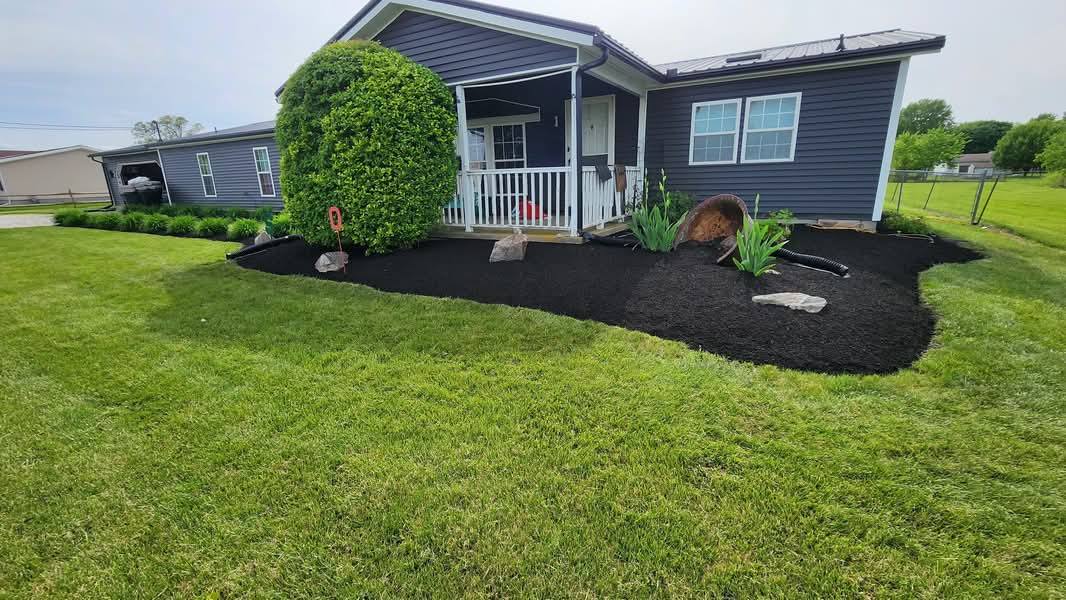
Wildlife-Friendly Landscaping: Designing Habitats for Urban Biodiversity May 17, 2026
Urban areas tend to lack natural habitats, presenting a unique opportunity for homeowners to create spaces that foster biodiversity. The first step in wildlife-friendly landscaping is understanding the local wildlife species. By identifying these species, you can tailor your garden to their specific needs. Native plants play a crucial role in this process. They are adapted to the local climate and provide essential food and shelter for local wildlife. Consider planting native wildflowers, grasses, and shrubs to attract pollinators such as bees, butterflies, and hummingbirds.
Next, focus on creating a layered landscape. This involves incorporating a mix of vegetation heights and densities that mimic natural habitats. Trees, shrubs, and ground cover all serve different roles. Tall trees offer nesting sites for birds and squirrels, while shrubs provide cover for small mammals and insects. Ground cover plants can create shelter for wildlife, controlling soil erosion and suppressing weeds.
Incorporate water features into your design. A small pond or birdbath acts as a vital water source for a variety of wildlife species, offering a lifeline during dry periods. Ensure that these water sources are safe; shallow areas can prevent small animals from drowning. Adding aquatic plants can also enhance these features by fostering a mini-ecosystem for aquatic insects and attracting amphibians.
Providing shelter is another key component of wildlife-friendly landscaping. Birdhouses, bat boxes, and log piles can serve as safe havens for birds, bats, and beneficial insects. The installation of these features should be strategic, offering protection from predators and harsh weather. Additionally, leaving deadwood and leaf litter in certain areas can provide crucial habitat for decomposers and insects.
Minimizing the use of chemicals like pesticides is vital for maintaining a healthy ecosystem. These substances can harm beneficial insects and non-target species. Instead, consider companion planting, which involves planting certain species together to naturally deter pests. This method not only reduces the need for chemicals but also promotes plant health and productivity.
Balance is essential in a wildlife-friendly landscape. It’s important to manage invasive species that threaten native wildlife. This might entail regular weeding and monitoring to ensure that non-native plants do not overrun your garden.
In conclusion, adopting wildlife-friendly landscaping practices is a rewarding endeavor that benefits both the environment and your community. By choosing native plants, installing water features, providing shelter, and using minimal chemicals, you can create a thriving habitat that supports urban biodiversity. Knapps Landscaping and Lawn Care is committed to helping you every step of the way, offering expert advice and services tailored to your landscape’s unique needs. Together, we can cultivate beautiful, sustainable spaces that offer refuge for wildlife and delight for homeowners. Embrace the opportunity to make a positive impact on your local environment and enjoy the natural beauty that blossoms from your efforts.
/filters:no_upscale()/filters:format(webp)/media/50150d27-2020-4c56-b57f-20785522ed53.jpeg)
/filters:no_upscale()/filters:format(webp)/media/d50733f4-ede8-47cc-aed0-8f624ab60fcc.jpeg)