The Science of Soil: Building a Strong Foundation for Your Landscape Jan 22, 2026
Roots play a critical role in any landscape. They require a well-balanced environment to thrive, meaning the soil needs to provide the right combination of nutrients, texture, and drainage. Without this, even the most visually appealing designs may struggle to flourish over time. Before planting, it's essential to become familiar with the basics of soil composition. Soil is fundamentally composed of clay, sand, silt, and organic matter. Each of these components influences how water drains, what nutrients are available, and how oxygen flows to the root systems. An effective balance often results in loam, which is ideal for most plants thanks to its nutrient-rich composition and excellent water retention and drainage capabilities.
One of the first steps in constructing a resilient landscape is testing your soil. Soil testing, which measures pH levels and nutrient content, can be performed using simple kits or through professional services. By understanding the specific needs of your soil, amendments can be accurately applied to adjust pH or replenish missing nutrients. Such foundational insights can direct your landscaping and lawn care efforts more effectively, avoiding unnecessary costs and enhancing plant health.
Proper drainage cannot be overlooked when considering landscaping excellence. Poor drainage can lead to root rot and other plant diseases, particularly for those species sensitive to overly wet conditions. The addition of organic matter such as compost can significantly improve soil structure, helping to balance water absorption and drainage. Additionally, strategic hardscaping, like the installation of French drains or raised beds, can effectively manage excess water flow, protecting your landscape investment.
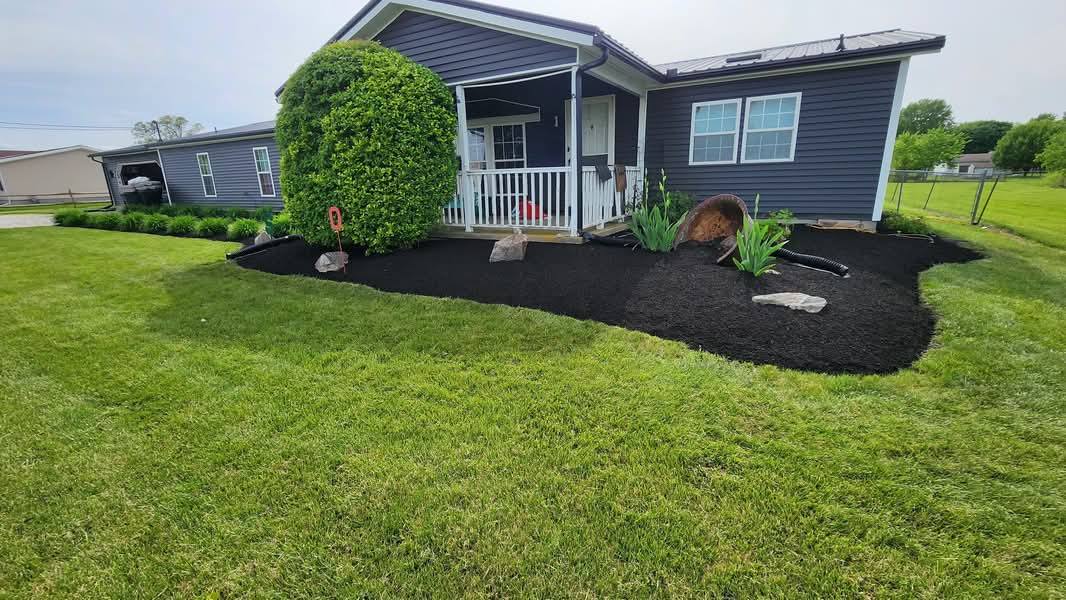
Alongside physical amendments, biological amendments can also bolster soil health. Mulching with organic materials plays a dual role; it retains moisture in the soil while also slowly breaking down to add nutrients. Introducing beneficial microbes through compost teas or mycorrhizal fungi encourages a thriving underground ecosystem, assisting plants in nutrient uptake and forming a resilient defense against diseases.
Meanwhile, soil erosion remains a persistent challenge in maintaining a sustainable landscape. Erosion can swiftly strip the soil of nutrients, exposing plant roots to harsh elements and destabilizing garden beds. Planting ground cover, like creeping thyme or clover, helps retain soil while simultaneously adding aesthetic value. For larger landscapes, terraces or the integration of native plants can naturally adapt to your environment, reducing maintenance needs and water usage.
In conclusion, the science of soil is often underappreciated yet undeniably fundamental to any successful landscape design. By understanding soil characteristics and applying targeted amendments, homeowners can support plant vitality, reduce long-term care costs, and create landscapes that stand the test of time. At Knapps Landscaping and Lawn Care, our focus always begins with the ground beneath, ensuring we build landscapes that are not only beautiful but sustainable. With these strategies, anyone can transform their outdoor space into a thriving oasis, aware that a strong foundation is key in making a garden flourish.
/filters:no_upscale()/filters:format(webp)/media/50150d27-2020-4c56-b57f-20785522ed53.jpeg)
/filters:no_upscale()/filters:format(webp)/media/d50733f4-ede8-47cc-aed0-8f624ab60fcc.jpeg)