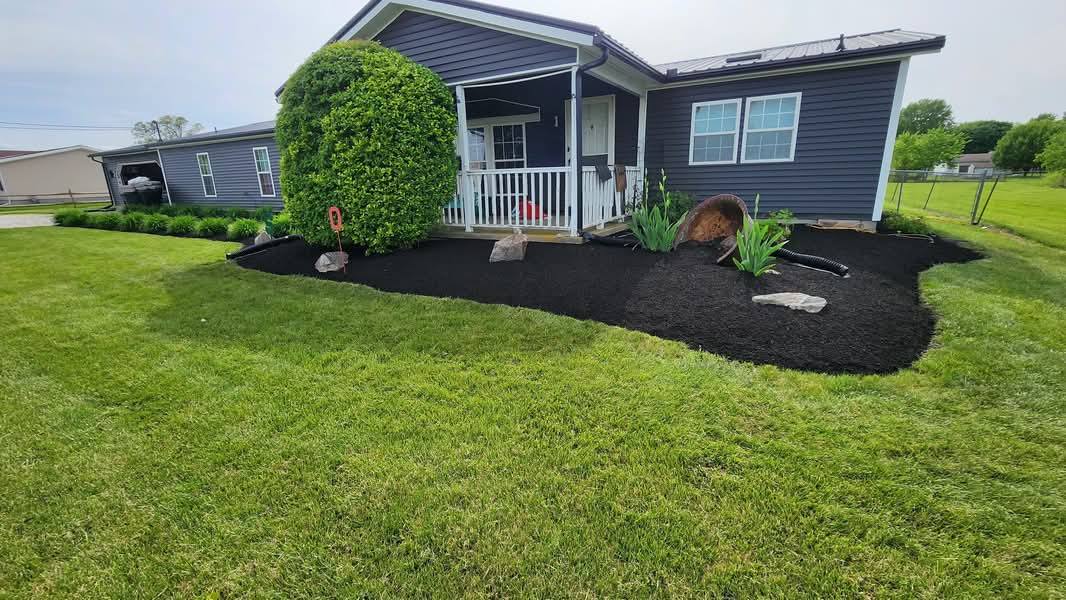
Lawn Revitalization Techniques: Bringing New Life to Your Green Spaces Nov 26, 2025
The first step in your lawn revitalization journey is conducting a thorough soil analysis. Healthy soil is crucial for a thriving lawn, and by testing your soil, you'll understand its nutrient composition, pH level, and condition. This knowledge allows you to address any deficiencies that might hinder growth. At Knapps Landscaping, we recommend a comprehensive soil test every few years to ensure your lawn’s foundation is optimal for growth. Once you've gathered the results, adjust your soil’s nutrient levels with the appropriate fertilizers or organic amendments to promote healthy grass growth.
Next, consider dethatching, a process critical for removing the layer of dead grass and organic matter that accumulates between the soil and the green grass blades. Thatch can prevent water, nutrients, and air from reaching the grass roots. Dethatching should be done during the growing season when your grass can recover quickly from the disruption. This process not only aids in nutrient absorption but also reduces the risk of lawn diseases.
Overseeding is another vital technique in lawn care, especially for patchy or thin lawns. By spreading grass seed over your existing lawn, you introduce new grass varieties that can be more disease-resistant and drought-tolerant, enhancing the overall thickness and health of your lawn. Spring and fall are typically the best times to overseed, as cooler temperatures and adequate rainfall create ideal conditions for growth.
Aeration is a technique often underestimated yet immensely beneficial in lawn revitalization. Compacted soil can stifle grass growth by restricting air, water, and nutrient flow. Aeration alleviates soil compaction by perforating the soil with small holes, encouraging roots to grow deeper and stronger. This normally results in a more robust and resilient lawn. At Knapps Landscaping and Lawn Care, we recommend aerating your lawn annually, typically in the fall, to prepare your lawn for the following growing season.
A crucial part of maintaining a vibrant lawn is establishing a proper watering routine. Inconsistent irrigation can lead to either under-watered or waterlogged lawns, both of which can cause lasting damage. Your lawn requires about an inch of water per week, either from rainfall or supplemental irrigation. Watering early in the morning minimizes evaporation and helps prevent fungal diseases.
Finally, don’t underestimate the power of proper mowing. Ensure your mower blades are sharp, and try not to cut more than one-third of the grass height each time you mow. This practice not only maintains your lawn’s intended shape and appearance but also encourages healthy growth.
By following these lawn revitalization techniques, you can transform your green spaces into a lush sanctuary. Remember, the key to a thriving landscape isn’t just a single solution but rather a commitment to ongoing care and attention. If you’re ever in doubt or require expert assistance, the team at Knapps Landscaping and Lawn Care is ready to support you in achieving a lawn that enhances your property and elevates your quality of outdoor life.
/filters:no_upscale()/filters:format(webp)/media/50150d27-2020-4c56-b57f-20785522ed53.jpeg)
/filters:no_upscale()/filters:format(webp)/media/d50733f4-ede8-47cc-aed0-8f624ab60fcc.jpeg)