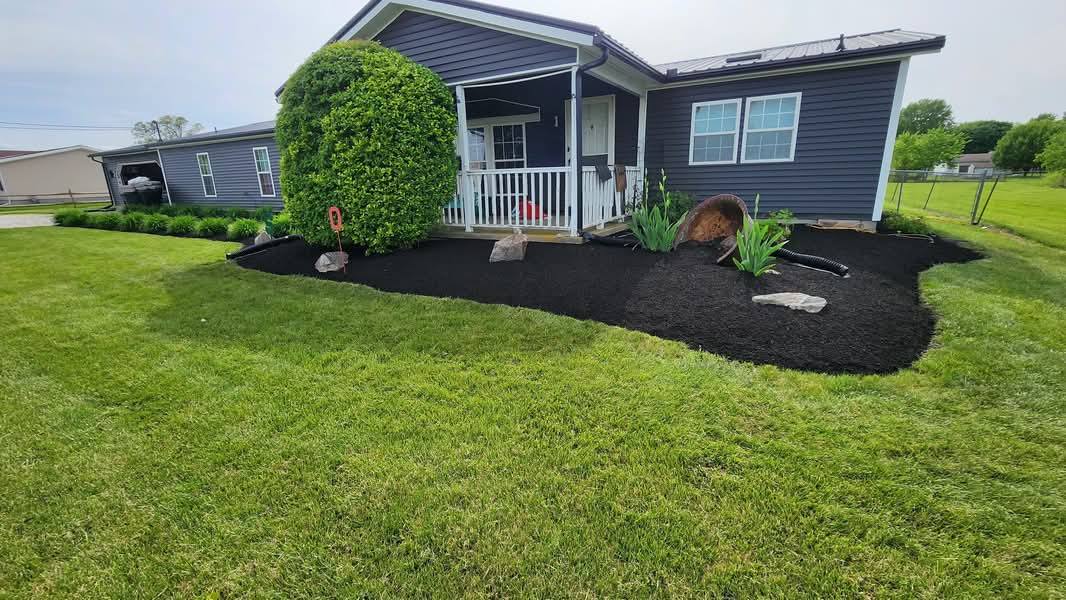
Innovative Xeriscaping Techniques: Designing a Sustainable, Water-Efficient Garden Apr 22, 2026
Xeriscaping is more than just a trend; it is a proven method of landscaping that significantly reduces water consumption while creating aesthetically appealing gardens that thrive in dry conditions. By utilizing a well-planned layout and resilient plant selections, xeriscaping transforms your garden into a vibrant oasis with minimal water needs. Let's explore some innovative xeriscaping techniques that can help you design a sustainable, water-efficient garden.
The first principle of xeriscaping involves planning and design. Understanding your landscape is crucial, as it determines how water drainage and sunlight exposure can be optimized. Start by assessing the different zones in your garden and group plants with similar water needs together. This strategic grouping not only conserves water but also simplifies maintenance, making it easier for you to care for your landscape.
Plant selection plays a pivotal role in xeriscaping. Opt for native plants, which are naturally adapted to the local climate and soil conditions, requiring less water and fertilizer. Examples include lavender, ornamental grasses, and succulents, which add color and texture while being water-wise. These low-maintenance plants offer a variety of shapes and colors, allowing you to add personal flair to your garden without over-reliance on water resources.
Another essential xeriscaping technique is improving soil quality. Well-amended soil retains moisture better, reducing the need for frequent watering. Incorporate organic matter, such as compost or well-decomposed manure, into the soil to enhance its water-holding capacity. Additionally, consider using mulch around plants. Mulch acts as an insulating layer, retaining moisture, preventing erosion, and suppressing weed growth, which competes with plants for valuable water.
Watering techniques are also crucial for a successful xeriscape garden. Drip irrigation systems are highly recommended as they deliver water directly to the plant roots, minimizing evaporation and ensuring efficient use of water. Moreover, watering during the cooler parts of the day, such as early morning or late afternoon, reduces loss through evaporation and ensures that plants receive the moisture they need.
Incorporate permeable hardscapes as part of your garden design. These surfaces not only enhance the aesthetic appeal of your landscape but also facilitate natural water filtration and retention in the ground. By using materials such as gravel, flagstone, or pervious concrete, you enhance rainwater absorption, reducing runoff and further conserving water.
Conclusively, adopting xeriscaping techniques not only promotes sustainable gardening practices but also offers an opportunity to have a strikingly beautiful yet water-efficient garden. At Knapps Landscaping and Lawn Care, we're dedicated to helping you achieve your landscaping dreams while being kind to the environment. Embrace these innovative xeriscaping principles and watch as your garden flourishes into a sustainable paradise, lush with minimal water use.
By prioritizing xeriscaping, you can contribute to water conservation efforts while enjoying an eco-friendly and captivating outdoor space. Whether you're starting from scratch or revamping your existing garden, these techniques provide a roadmap to achieve enduring beauty and sustainability. Reach out to us at Knapps Landscaping and Lawn Care for personalized solutions that suit your unique landscape needs.
/filters:no_upscale()/filters:format(webp)/media/50150d27-2020-4c56-b57f-20785522ed53.jpeg)
/filters:no_upscale()/filters:format(webp)/media/d50733f4-ede8-47cc-aed0-8f624ab60fcc.jpeg)