Creating a Pollinator Paradise: Designing a Garden That Attracts Butterflies and Bees Mar 09, 2026
Starting your transformation journey, it's essential to understand why attracting pollinators to your garden is beneficial. Butterflies, bees, and other pollinators play a vital role in the ecosystem by assisting in plant reproduction. As a result, they help maintain biodiversity while also ensuring the flowering success of your garden's flora. By creating a welcoming environment for these creatures, you're contributing to environmental conservation and enhancing the beauty of your garden at the same time.
To attract butterflies and bees, the first step is planting a diverse range of flowers. Diversity in flora not only brings a variety of colors and textures to your garden but also provides a range of nectar sources throughout the year. Consider perennials like lavender, coneflower, and salvia, which are known for their nectar-rich blooms. These plants offer long-lasting beauty and serve as a continuous food source for pollinators.
Moreover, color plays a significant role in attracting butterflies and bees. These creatures are naturally drawn to bright, vivid colors such as red, yellow, and purple. Incorporating these colors into your garden design can significantly increase pollinator visits. For a truly effective strategy, arrange your plants in clusters. A large patch of single-colored flowers is more appealing and easy for pollinators to spot from a distance compared to solitary blooms scattered across your garden.
Creating a suitable habitat involves more than just selecting the right flowers. For butterflies, consider adding host plants which serve as a place for them to lay eggs. Plants such as milkweed, parsley, and fennel can support caterpillars until they metamorphose into butterflies. Also, ensure there are sunny spots, shelter, and a water source, as these are critical elements for a thriving pollinator habitat.
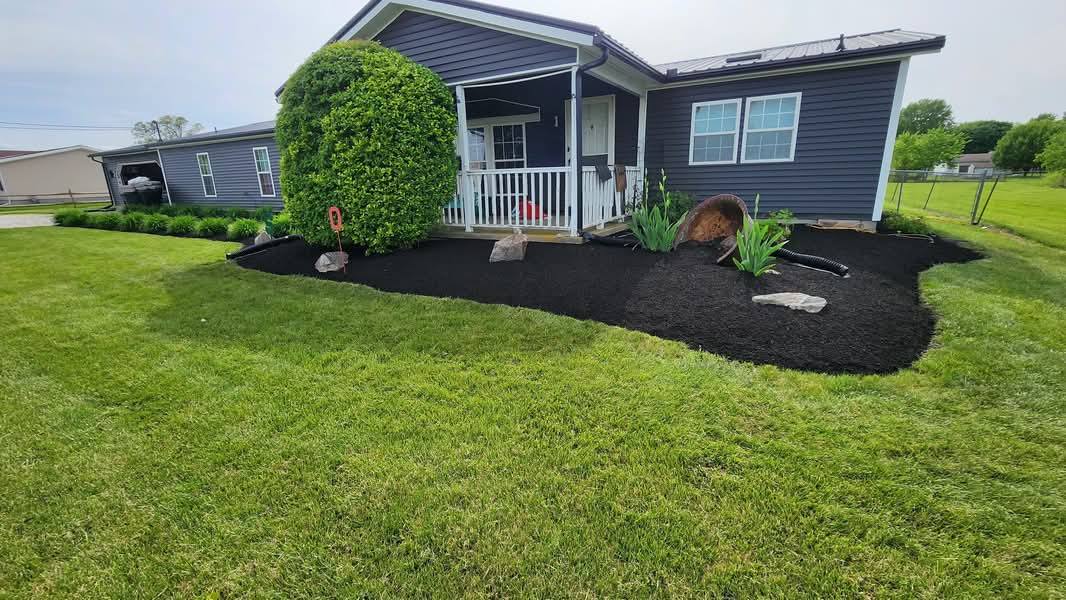
While flowers are essential, don't overlook the structural elements of your landscape. Integrating hardscaping features such as rock gardens, pathways, and water elements can create diverse microhabitats within your garden. These features not only add aesthetic value but also provide perching sites and windbreaks for butterflies and bees. Partnering with Knapps Landscaping and Lawn Care can facilitate the seamless integration of these elements into your garden.
Pesticide usage is another important consideration. While it's tempting to maintain pristine gardens using chemicals, these substances can be extremely harmful to pollinators. Opt instead for natural pest control methods and encourage beneficial insects that prey on garden pests.
In conclusion, crafting a pollinator paradise is a fulfilling endeavor that marries environmental stewardship with gardening. By selecting the right plants, adding host plants, ensuring a diversity of blooms and providing necessary habitat features, you are creating a sanctuary for pollinators and adding to the overall appeal of your garden. With guidance from Knapps Landscaping and Lawn Care, you can transform your outdoor space into a bustling haven for butterflies and bees, enhancing both the aesthetic and ecological value of your landscape.
/filters:no_upscale()/filters:format(webp)/media/50150d27-2020-4c56-b57f-20785522ed53.jpeg)
/filters:no_upscale()/filters:format(webp)/media/d50733f4-ede8-47cc-aed0-8f624ab60fcc.jpeg)